|
  |
|
 |
|
|
Coming soon: Steven Levenkron's latest book, Gaelynn |
|
|
|
 |
|
 |
|
|
As he did for anorexia nervosa, self-mutilation and related disorders, Steven Levenkron, acclaimed author of the bestselling The Best Little Girl in the World, Kessa, and The Luckiest Girl in the World, now turns his attention to the crisis of adolescent bullying.
|
.

|
|
|
 |
|
 |
|
|
Acclaimed psychotherapist Steven Levenkron's Stolen
Tomorrows is a breakthrough book that will
encourage the 30 percent of women who have been
abused to think about, talk about, and seek help
for what has been their secret shame.
|

.
.

.
 |
|
|
 |
|
 |
|
|
"The nation's premiere expert in
treating anorexia has written the nation's premiere book for
parents, relatives and friends of young women afflicted with this
life-threatening disease. Steven Levenkron's Anatomy of Anorexia is
a book full of hope and common sense for such young women and those
who love them." |
.
.
.
|
|
|
 |
|
 |
|
|
Cutting takes the reader through
the psychological experience of the person who seeks relief from
mental anguish in self-inflicted physical pain. Written for
self-mutilators, parents, friends, and therapists, this book
explains why the disorder manifests in self-harming behaviors and,
most of all, describes how self-mutilators can be helped. |
.
.
.
|
|
|
 |
|
 |
|
|
She told herself it wasn't
happening. Even as her heart began to pound and she had to work fro
breath, she told herself it couldn't happen now.. Soon she'd feel as
if she were disintegrating into hundreds of pieces, and she'd have
no way to stop it...she pushed back the wrist-length sleeve of her
skating dress and looked a the underside of her forearm, which was
criss-crossed with dozens of small white and red scars. |
.
.
.
|
|
|
 |
|
 |
|
|
That person, like one in every 250
teenage girls, may have anorexia nervosa. It will prove fatal to
nine percent of its victims. This book offers help and hope .A
psychotherapist and leading expert on anorexia nervosa, Steven
Levenkron now speaks clearly and compassionately to families and the
medical community about the causes, coping strategies, and
successful treatments for this insidious and deadly disease. |
.
.
.
|
|
|
 |
|
 |
|
|
Compulsive eating. Prolonged
self-deprivation. Obsessive exercise. Endless hand washing,
housecleaning, or chronic overwork. For the six million Americans
crippled by one or more obsessive-compulsive disorders (OCDs),
repetitive, ritualistic behaviors like these can be too powerful to
control. In fact, left untreated, an OCD can overrun virtually every
aspect of a sufferer's life. |
.
.
.
|
|
|
 |
|
 |
|
|
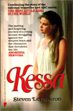
She was a five-foot-four,
ninety-eight-pound monster! That's how Kessa saw herself, at any
rate. She began tearing out the photographs of the thinnest models
from her fashion magazine. The thinner is the winner. She felt
a contraction in her stomach, almost as if it were echoing her
words, but she would not be intimidated by hunger pans, despite the
fact that it was two o'clock and she had eaten nothing so far today
but half a grapefruit. |
.
.
.
|
|
|
 |
 |
|
|
A compelling sequel to The Best Little Girl in the World (Warner, 1979) that can be read independently. Readers are drawn into the world of a teenage girl suffering from anorexia nervosa. Kessa's character is strongly believable, especially in her encounters with family, friends and her therapist. These intereactions provide insight into the conflicts and fears that anorexics face. Kessa's struggles to understand her emotions and the circumstances that led to her anorexia are made real for readers, who will feel compassion towards Kessa, even as they gain an understanding of the disease. |
.
|
|
|
|











